Introduction
Organisations do not learn; people do.
More precisely, communities of people are the ones that learn.
In every organisation, industry, profession, and society, there are groups of individuals who build enough trust, share understanding, align on purpose, and foster mutual respect to learn and act collectively despite differing perspectives.
These groups are known as Islands of Coherence.
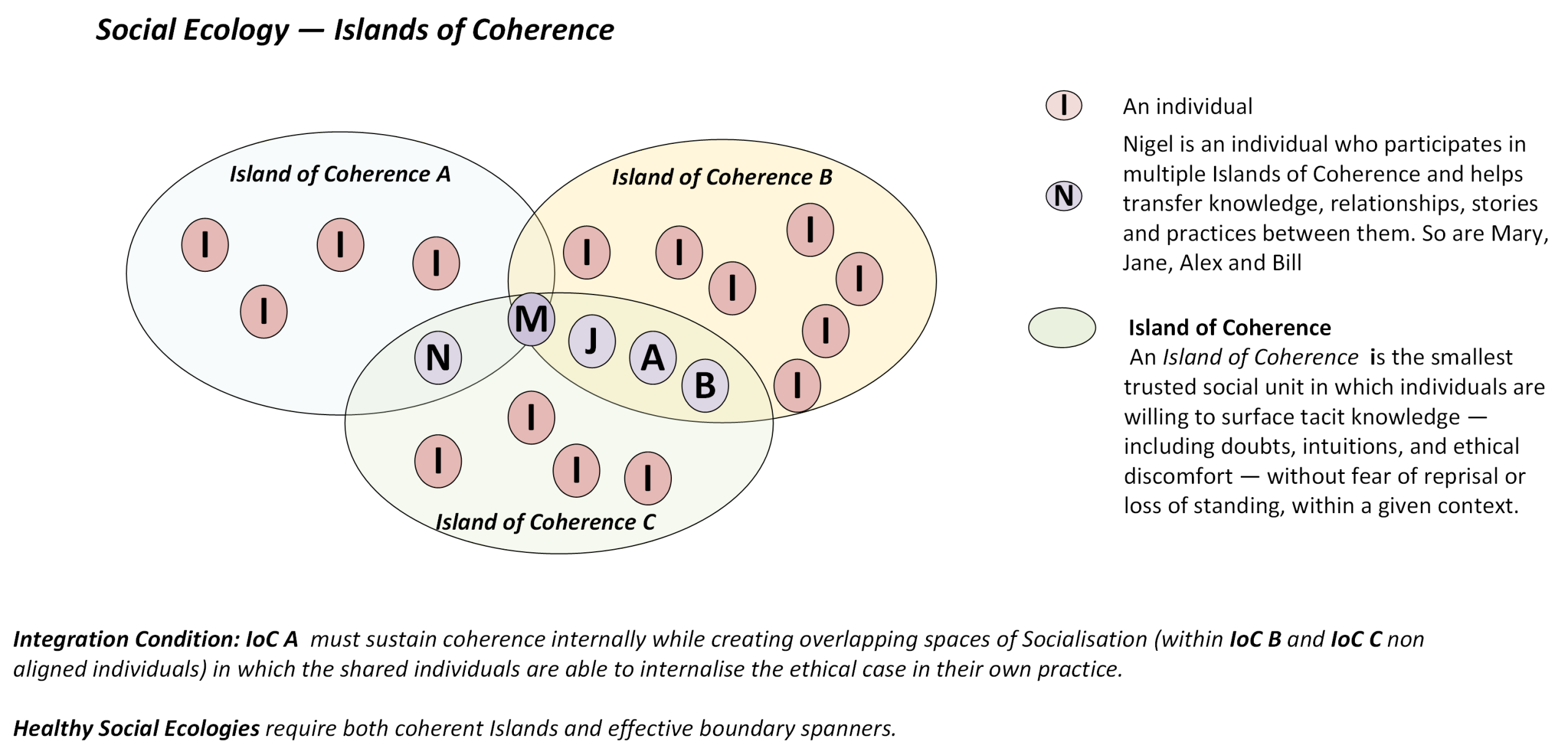
Figure 1: Islands of Coherence and Nigel
An Island of Coherence (IoC) is not merely a team, workshop, department, or a segment of an organisational chart. It is a dynamic social structure that forms naturally within a healthy social environment. These Islands serve as the spaces where knowledge is generated, learning takes place, and adaptive capacity grows.
IoCs can be formal or informal. Within any Social Ecology there are normally such IoCs. Formal IoCs include the Cardiac Specialists in a hospital, the crew of a volunteer fire brigade, and a football team. Each has members recruited for a common purpose, and their individual specialities can differentiate their roles in the team.
Consider Social Ecology that exists within a teaching hospital.
Island of Coherence A – Cardiology Community
Members might include:
- Cardiologists
- Cardiac nurses
- Cardiac technicians
- Cardiac researchers
They have shared:
- language,
- practices,
- tacit knowledge,
- stories,
- professional identity.
Island of Coherence C – Paediatric Community
Members might include:
- Paediatricians
- Paediatric nurses
- Child psychologists
- Neonatal specialists
Again, with their own:
- language,
- practices,
- tacit knowledge,
There are five people who are members of two or three islands Nigel, Mary, Jane Alex and Bill.
Mary is senior operating theatre nurse who has specialied in cardiatrics, paediatrics and trauma surgery. She has been working in the operating theatre environment for 25 years.
Nigel is a paediatric cardiac surgeon acts as the primary communicator between the Cardiology and Paediatric communities.
This individual:
- understands congenital heart defects,
- understands paediatric medicine,
- understands cardiac surgery,
- is trusted by both communities,
- translates between both communities.
They are not merely a technical specialist.
They are carrying:
- tacit knowledge,
- relationships,
- practices,
- stories
between the two Islands.
An informal Island of Cohesion could be a group of young men who belong to a gambling syndicate. Communicate informally by social media and spend time together in a local sports bar.
Yet again, they have their own:
- language,
- practices,
- tacit knowledge,
- stories.
Social Ecology: The Foundation
Every Island of Coherence grows within a broader Social Ecology.
Like a field in nature, a social ecology is a living field of relationships, interactions, meanings, stories, norms, and shared experiences within which coherence, cooperation, and collective action emerge. Through these dynamics, groups learn, adapt, create shared meaning, and respond to their environment.
Within an organisation, its social ecology consists of:
- Meaning
- shared purpose
- shared mental models
- shared stories
- Relational Quality
- trust
- mutual respect
- relationships
- Accumulated History
- collective memory
- shared experience
Like a natural ecosystem, a social ecology develops over time. There is a very strong parallel here between building Islands of Coherence and natural regeneration.
I have undertaken regeneration projects on tired, degraded grazing land. The progression was always the same. The land was protected from grazing, and over time trees, shrubs and grasses were planted. As they grew, the ecology improved until it was restored to something approaching its original state. Over a period of 10 years on one project, the number of bird species went from 10 to 66. Building Social Ecology is similar. Every conversation, challenge, success, failure, and act of trust contributes to its progression to a mature state.
As the ecology matures, coherence develops.
Without a healthy social ecology, everything becomes more difficult:
- trust is lost, and suspicion between groups may emerge, resulting in ‘us and them’ thinking,
- collaboration is affected by lower trust,
- learning depends on mutual trust and respect, so people feel safe to challenge and question,
- and adaptation as a result of the last three.
Social Ecology is the environment from which coherence grows, the heathier the ecology the greater the coherence.
When we consider our case above Mary’s situation is interesting. Here ability to function at the intersection as a catalyst of learning and knowledge depends entirely of the social environment she works in. If she works in a poor social ecology with a paternalist workplace where the word of the male specialists is taken as gospel there she will probably be mostly mute and would be unable to function effectively across the boundaries despite here extensive tacit knowledge, professional vocabulary and broad connections across all the communities. If on the hand she works in a more progressive environment with a healthy social ecology, and she has a voice and is respected and listened to she will be an ideal candidate.
From Connection to Coherence
Islands do not emerge fully formed. They develop through a sequence and for a reason.
Connection
Connection is the seed.
People come together motivated by:
- a shared challenge,
- a common concern,
- an opportunity,
- a purpose,
- a crisis,
- a curiosity.
Condensations begin as people share and explore each other’s experiences and concerns, and the connection creates potential.
Cohesion
Over time, they meet, and as they do, their relationships begin to deepen. They start to recognise and build on the things they have in common:
- trust develops,
- relationships strengthen,
- common language emerges,
- shared experiences accumulate.
The group becomes more cohesive.
Coherence
Eventually a deeper quality emerges.
As relationships develop, the group becomes increasingly capable of:
- learning together from each other,
- confidently and safely challenging constructively,
- agreeing and coordinating action,
- and building and maintaining shared understanding under pressure.
The Island of Coherence emerges.
- Connection is the germinating seed.
- Cohesion forms the roots.
- Coherence creates the Island.
Common Knowledge and Shared Mental Models
Coherence requires more than trust. People must find common ground and share meaning. Within organisations and communities, they progressively learn from exploring their environment with each other, which leads to cohesion.
Building on our cardiologist and paediatrician example. They don’t start with Common Knowledge.
They start with:
- Shared Experience
- Working on the same child.
- Discussing the same problem.
- Sharing experience from past cases.
- Seeing the same consequences.
That allows:
- Common Language
- Terms begin to stabilise.
- Everybody knows what is meant.
That enables:
- Shared Understanding
- People begin to understand one another’s perspectives.
- They build on others’ experience and relate it to their own.
Over time:
- Shared Mental Models
A Shared Mental Model is a common understanding of how something works in reality.
It represents the
- Terms in use.
- Assumptions about all aspects of the patient, hospital resources, team roles and capability, risks and so forth.
- Concepts about medical interventions and treatment regimes.
- Their relationships and their interdependencies.
- Shared expectations that a group holds about a particular aspect of reality, so they can present a common face to the family with the same story.
Eventually, the learning becomes embedded as Common Knowledge
- Shared stories about cases.
- Practices they have applied and the lessons learned.
- Rules of thumb that will be applied in similar future cases.
- Training programs for new members coming on board and to reinforce their own skills.
- The ability to question the things that matter when the signal appears.
- Protocol for how they will work together and for the broader hospital and medical community.
- Professional folklore to be passed on to the next generation of practitioners.
Different groups may possess different expertise and different explicit knowledge bases. However, cooperation requires sufficient overlap in meaning. Without common knowledge, the island begins to fragment and collapse as:
- misunderstandings increase,
- coordination becomes difficult,
- learning becomes uncoordinated and collectively coherent.
The practical application of shared common knowledge is evidence of coherence.
Shared Ba: The Integrating Layer
When basic knowledge and relationships coexist across disparate Islands of Cohesion, Shared Ba becomes possible if they find common ground and a shared purpose.
Shared Ba does not create Islands of Coherence. Rather, it enables coherent Islands to interact, learn, and adapt together.
Through the work of the Nigel’s, Shared Ba creates a space for knowledge, experience, assumptions, and practices to be exchanged across communities. In this way, multiple Islands of Coherence can develop a broader shared understanding while retaining their identities and expertise.
The result is not a larger Island, but a healthier and more adaptive Social Ecology that is congruent with a set of communities, much like a natural forest can be congruent with shelter belts on surrounding properties.
The Islands of Integration Evolution Cycle
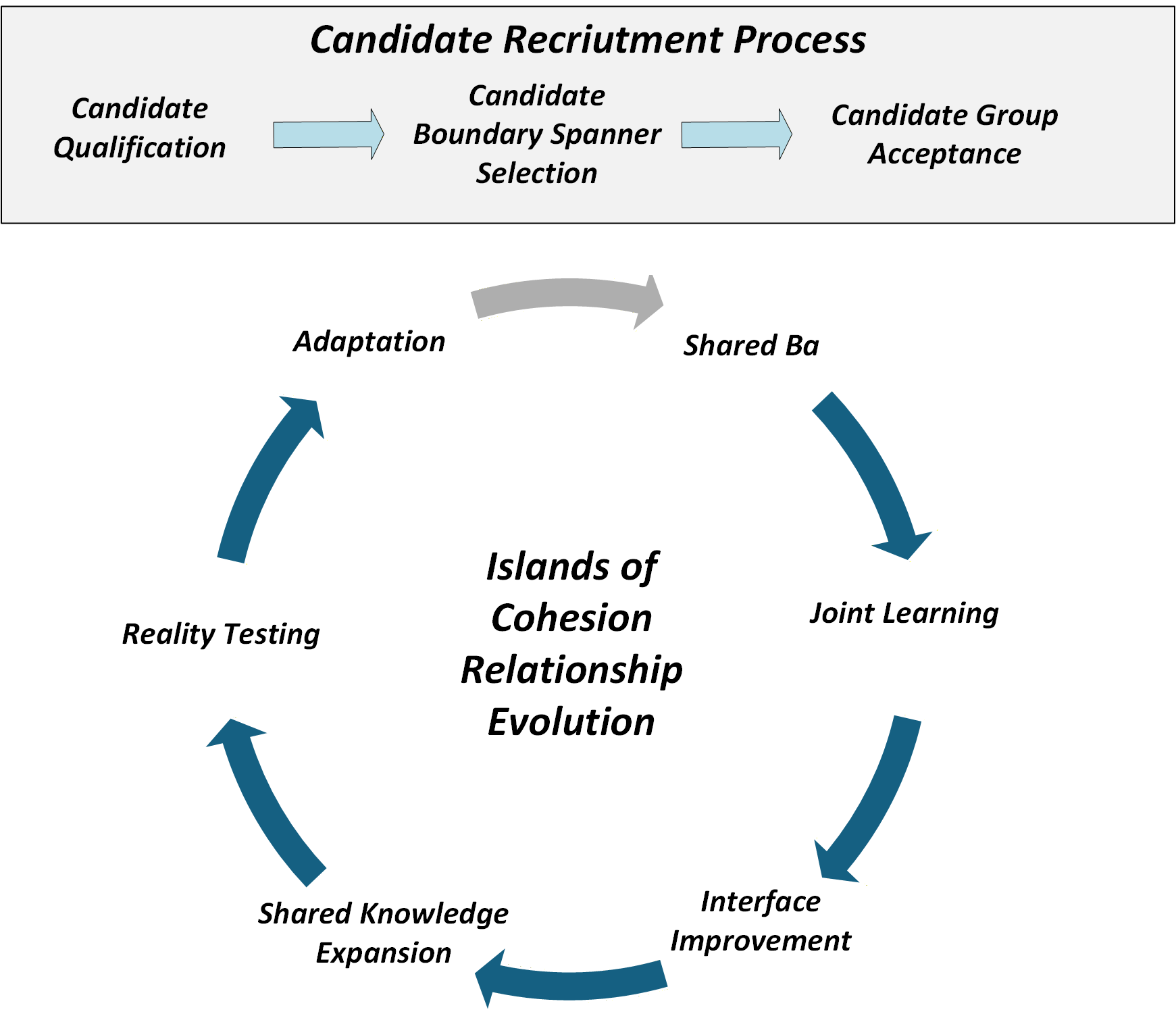
Figure 2: With each cycle social ecology improves!
Candidate Recruitment Process
To begin, the potential candidates must be Islands of Coherency in their own right. If any don’t meet this basic prerequisite, they are highly unlikely to integrate with others.
The next hurdle is to identify Candidate ‘Nigel’ who are accepted by, and coherent with, at least one other group. In our example above, the cardiologist was also accepted by the paediatric group as being coherent with their discipline. Candidacy has to be assessed in practice on the ward and in the operating theatre, in joint consultation with both sets of peers and with patients and their families.
The Nigel’s must come together to establish the Ba field that facilitates the development of shared knowledge.
If this seems to be a difficult hurdle to overcome, then, as they say, ‘it is what it is. It’s not a common occurrence, which is why most interactions involve complex legal arrangements to protect privacy, intellectual property, confidentiality, and so on. No one said it was easy!
For arrangements to survive, they must first face reality jointly and honestly.
So, this is a linear process that starts with the first two, or maybe three,
Islands of Cohesion.
Islands of Cohesion Evolution Cycle.
- Shared Ba
The cycle begins with the Shared Ba being created by the ‘Nigel’s’. This is the same as ‘connection to cohesion’ above. It has just been done with a new group rather than an existing group. So, we can assume that once this is achieved, there is shared purpose, mutual trust and respect and motivation to start the cycle.
With this in place, the formation of shared Ba becomes possible:
- tacit knowledge can flow,
- perspectives can be exchanged,
- assumptions can be challenged,
- meaning can evolve,
- mutual trust and respect can develop.
Shared Ba does not eliminate differences; it provides a field for dialogue.
This group then become the stewards of the integration between the IoCs.
- Joint Learning
The first step is to examine shared experience and exchange knowledge, both tacit and explicit. In the model, there is a series of cycles of Socialisation, with representatives of each group participating in workshops to explore common ground, assumptions, ideas and expectations.
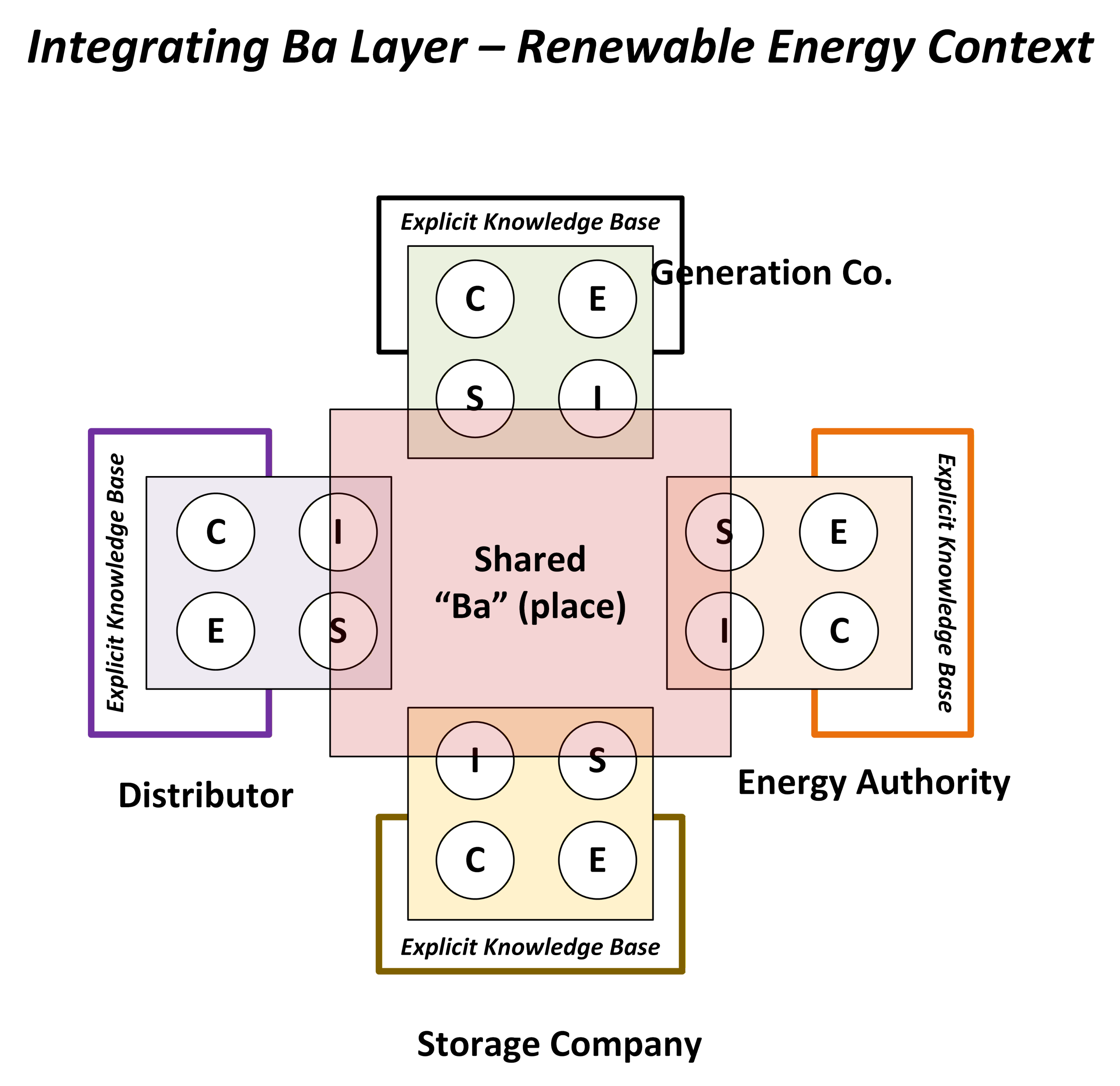
Figure 3. Initially, Shared Ba is used to build shared tacit knowledge.
Then they move on to share their Explicit Knowledge and Externalise it. Each Externalises it within the group context in a way that is congruent with their home organisational explicit knowledge. There will be learning cycles within the organisation as the broader expectations are incorporated.
Luckily for our example here, there is already an industry CIM (Common Information Model) to get started! But that is not always the case. Conflicting standards have always been the bane of integration. My home state of South Australia is internationally famous for having 3 gauges of railway lines in its rail network!
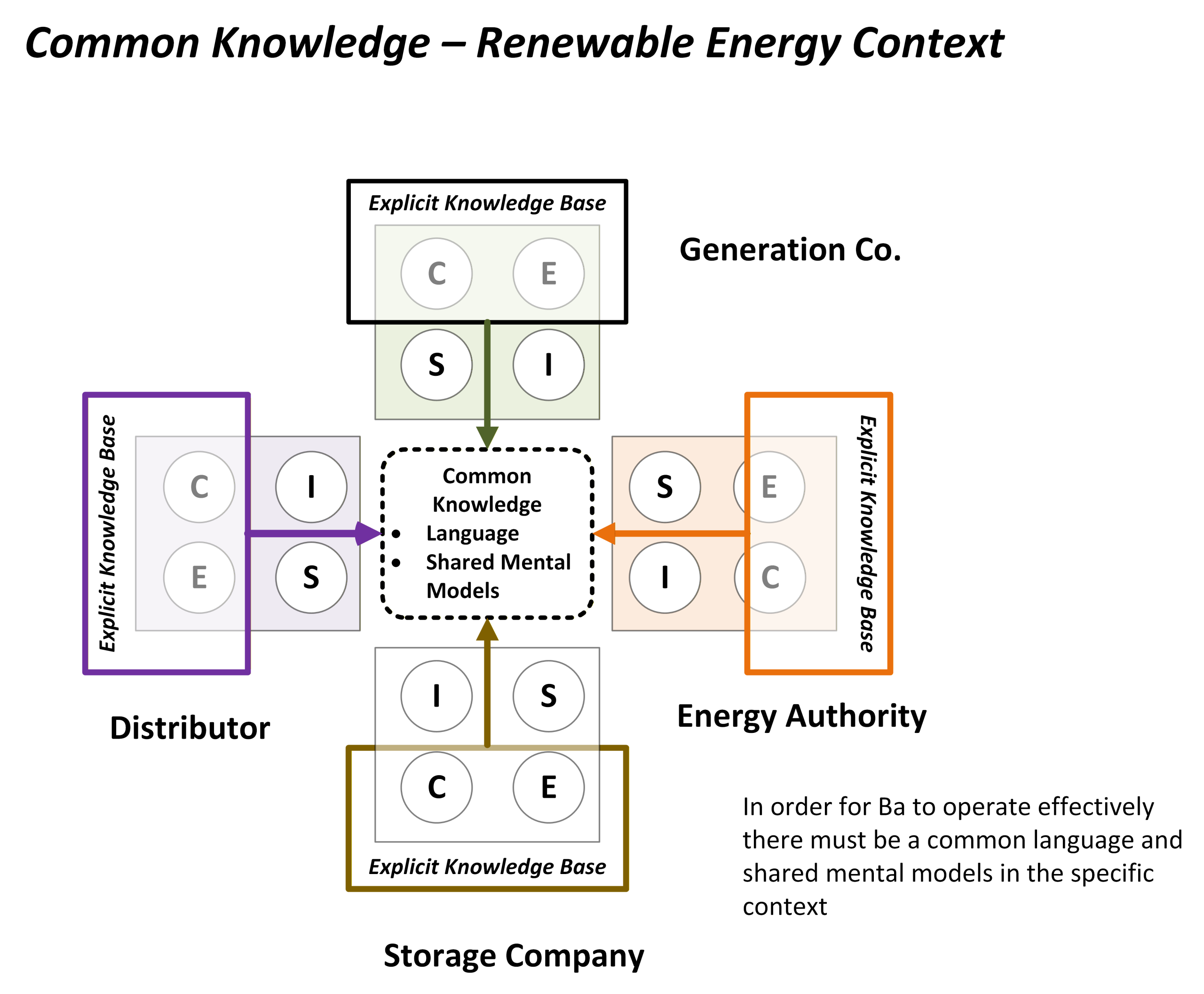
Figure 4: Role of Language and Shared Mental Models in forming Ba
Using our example, they would draw on the BCMs and CDMs in each of their organisations to build a common semantic foundation. They do this to help reduce ambiguity and provide stable reference points around which shared understanding can develop.
The minimal prerequisites for Shared Ba to progress further in their developing integration would be:
- Common Language and Shared Mental Models covering:
- Capability models showing the interaction points between the companies agreed definitions, KPIs for the capabilities on the interface points and key Business Data Entities.
- Data Subject Area with definitions, relationships, attributes and reference data items that relate to the planning, marketing, generation, transmission, storage and valuing of power.
- Legislation and regulatory requirements.
- Stakeholders and their interests, both internal and external.
- Energy market plans and strategy.
In our energy sector example, I would expect them to have common definitions for infrastructure, such as transmission lines, substations, and all the equipment within them, as well as for operational items. The shared knowledge required for integration then becomes part of the Explicit Knowledge Base for each organisation.
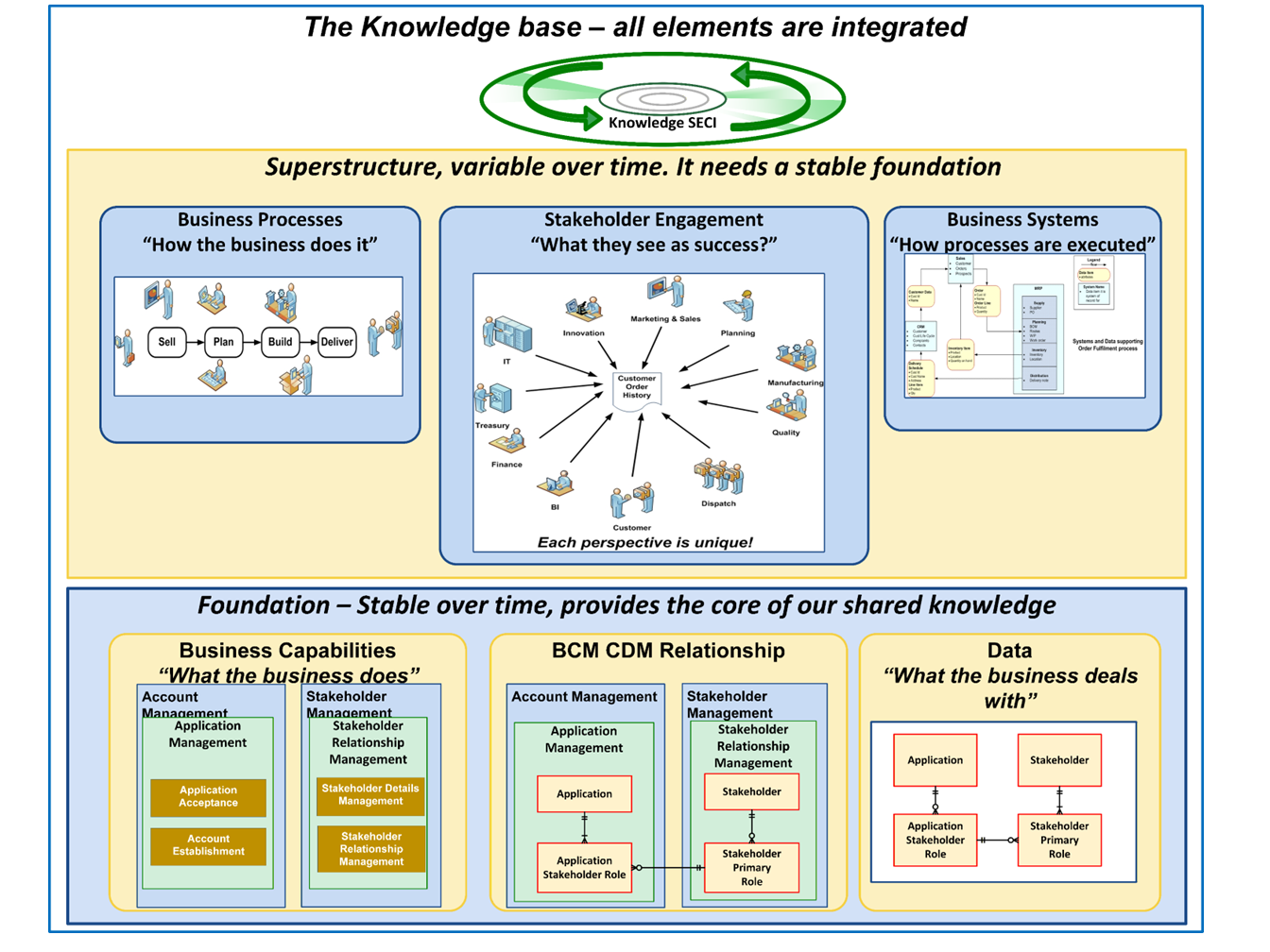
Figure 5: BCM and CDM provide a common language and stability.
In the context of systems integration, each community would need an architecture similar to the one pictured above, with the Capability Models and Data Models providing a common semantic language.
Like the cycles in nature, with each cycle of building social cohesion and integration with other Islands of Cohesion so the complexity and diversity grows, and with the Social Ecology becomes healthier and stronger.
It creates a space within which differences can be explored productively.
Shared Ba and mental models serve as an integrating layer that connects multiple communities and knowledge domains.
Shared Social Ecology and Organisational Boundaries
Islands of Coherence frequently extend beyond organisational boundaries.
Initially, individual Islands may develop independently within organisations, professions, communities, or industries. Each develops its own language, practices, stories, expertise, and shared mental models.
As the ‘Nigel’s’ create Shared Ba between Islands, opportunities emerge for broader learning and cooperation. Knowledge begins to flow between previously disconnected communities. Shared understanding expands. Trust develops across organisational boundaries.
The result is not the creation of a single large Island of Coherence. Rather, the broader Social Ecology becomes increasingly connected and capable of coordinated action.
The renewable energy sector illustrates this principle. Generation companies, storage providers, distributors, regulators, technology providers, and communities all possess different goals, knowledge, expertise, and responsibilities. Yet effective collaboration requires sufficient compatibility to enable learning and coordination.
Over time, shared language, shared mental models, common knowledge, and trusted relationships develop across the participating communities. The health of the wider Social Ecology improves.
- The objective is not uniformity.
- The objective is compatibility.
Healthy ecosystems do not consist of identical organisms. They consist of diverse organisms capable of interacting productively.
The same principle applies to social systems.
In nature, isolated patches of habitat become more resilient when connected through ecological corridors. Species, information, resources, and genetic diversity can move between previously isolated populations. The result is a healthier and more adaptive ecosystem.
Shared Ba and the ‘Nigel’s’ perform a similar role within social systems. They create the corridors through which knowledge, relationships, stories, practices, and learning can move between Islands of Coherence.
As these connections mature, the Social Ecology itself becomes stronger, more resilient, and more adaptive.
Look after your Nigel’s, they are important.
Basho as an Emergent Possibility
Basho represents a deeper possibility.
Within healthy social ecologies and strong Islands of Coherence, groups may occasionally experience moments of profound collective insight, awareness, or understanding.
Such moments appear most likely within relatively small groups where:
- trust is high,
- mutual awareness exists,
- meaningful interaction is possible,
- creative tension is present.
Basho should therefore be viewed as an emergent possibility rather than a prerequisite for learning.
Shared healthy Social Ecology is mandatory. Basho is a highly desirable optional extra that will turbo charge the health and vitality of the Social Ecology.
Succession and Generativity
Ecologists describe the continuous process of emergence, growth, maturity, decline, and renewal as ‘succession’. Forests, wetlands, grasslands, and other ecosystems are never static. Some species function as pioneers to be the first plants in new territory. As the ecosystem recovers, they are replaced as new species emerge, mature communities develop, disturbances occur, and renewal follows. This continues until the ecosystem reaches a mature, stable state with complex biodiversity, with increased resilience to adverse events.
Environmental complexity is also crucial for resilience. In the regeneration project I discussed earlier, it was all but destroyed by a catastrophic bushfire 25 years after we started. All that was left were isolated patches. What happened after was remarkable. New shrubs and trees grew from seed that had been dormant in the ground, and eucalypts resprouted from their bases. Within 5 years, most of our indicator bird species were back.
Improving the health of Social Ecology is an ongoing process, the health and resilience of the wider ecosystem are maintained.
The same pattern appears within social systems.
Healthy Social Ecologies contain:
- emerging Islands of Coherence,
- developing Islands,
- mature Islands,
- generative Islands,
- legacy Islands.
Each performs a different role within the broader ecology.
Maturity is often mistaken for the final stage of development. In reality, maturity is a transition point.
The purpose of maturity is not stability.
The purpose of maturity is generativity.
Generative Islands contribute beyond their own boundaries. They develop new leaders, mentor newcomers, transfer knowledge, strengthen relationships, share practices, and help establish new Islands of Coherence. In doing so, they increase the adaptive capacity of the wider Social Ecology.
The Toyota Production System illustrates this principle. As capability develops, supervisors increasingly become teachers rather than controllers. Their role shifts from directing work to developing people who can perform, improve, and teach the work themselves. Learning is no longer concentrated in a few experts. It becomes distributed throughout the system.
Generativity also creates continuity. Stories, practices, lessons, relationships, and shared understanding are passed to new members and new communities. Through this process, learning survives the departure of individuals and the eventual transformation or dissolution of particular Islands.
This is why succession matters. The long-term health of a Social Ecology depends not only on the strength of its mature Islands, but on their ability to nurture the next generation and contribute to the emergence of new forms of coherence.
In this sense, legacy is not what remains when an Island disappears. Legacy is what an Island leaves behind while it is still alive.
Legacy and Ecological Memory
The final stage of an Island is not failure.
It is Legacy.
- Stories remain.
- Practices remain.
- Relationships remain.
- Shared mental models remain.
The Island may disappear.
- Its influence does not.
- The Iliad survived through oral tradition.
- Icelandic law survived through generations of law speakers.
- Indigenous songlines have preserved knowledge across countless generations.
These systems demonstrate that durable knowledge is not merely stored, it is being continually recreated through its use. With each SECI cycle is made relevant for the current period and context. Knowledge evolves in complexity and richness with use over time.
Legacy functions as ecological memory. It becomes the seed bank from which future Islands emerge.
Islands, SECI and Adaptive Capacity
SECI explains how knowledge moves.
Islands of Coherence explain where knowledge lives.
Legacy explains how knowledge survives.
Within Islands:
- Socialisation builds relationships.
- Externalisation makes tacit knowledge visible.
- Combination integrates perspectives.
- Internalisation embeds learning.
Between islands:
- Relationships and networks are created to enhance social capital.
- The lessons from other islands are shared, and so collective knowledge and wisdom improve.
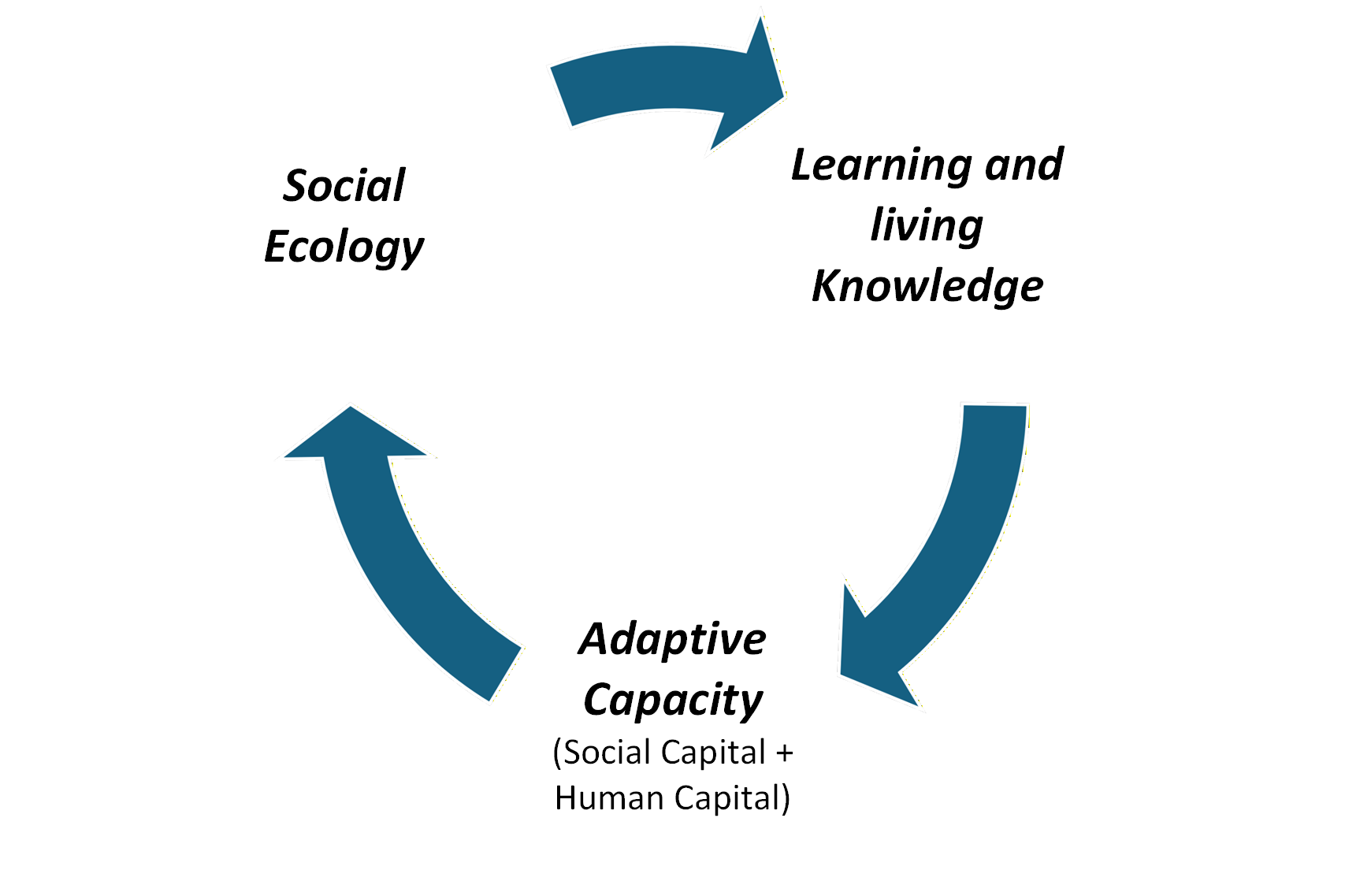
Figure 6: Growth of a healthy ecosystem.
- Learning strengthens adaptive capacity.
- Adaptive capacity strengthens the Social Ecology.
- Healthy social ecology is the seed bed for more learning and knowledge capture.
And so, the cycle continues.
Ultimately, organisations do not preserve coherence through documents alone.
They preserve coherence through communities capable of recreating meaning across generations.
Islands of Coherence are one of the mechanisms through which that occurs.