Definition
‘Prevention is better than cure, ‘ my mum once said.🤱🏻
A Consequential Intervention is an adaptive form of action that seeks to influence outcomes while recognising that every intervention creates new consequences and, in doing so, changes the reality to which future actions must respond.
A Consequential Intervention is also a proactive action point in Organisational Awareness. Once weak signals suggest that a system may be drifting from one state toward another, the organisation does not passively wait for certainty. It designs small, early, ethical interventions that can test the emerging scenario, reduce harm, and influence the direction of change.
Examples include proactive hardship support for a mortgage customer, a maintenance inspection after early signs of vibration, a quiet manager conversation when participation drops, redesigning a meeting ritual, initiating customer recovery, running a fraud check, or calling a safety stop.
The key is consequence. The intervention must be small enough to act early, but real enough that reality can respond. That response becomes new feedback for learning.
Why It Matters
Traditional management assumes that problems can be analysed, solutions designed, and actions implemented to restore a desired state. This view treats organisations as machines that can be controlled through planning, prediction, and execution.
In complex adaptive systems, intervention does not restore reality; it changes it.
From Considered Response to Consequential Intervention
📖In Adapt, Survive and Flourish, we coined the term ‘Adaptive Response’ as the core of the paradigm shift from the traditional ‘Normal Response’ with all its unintended consequences. See Figure 1.
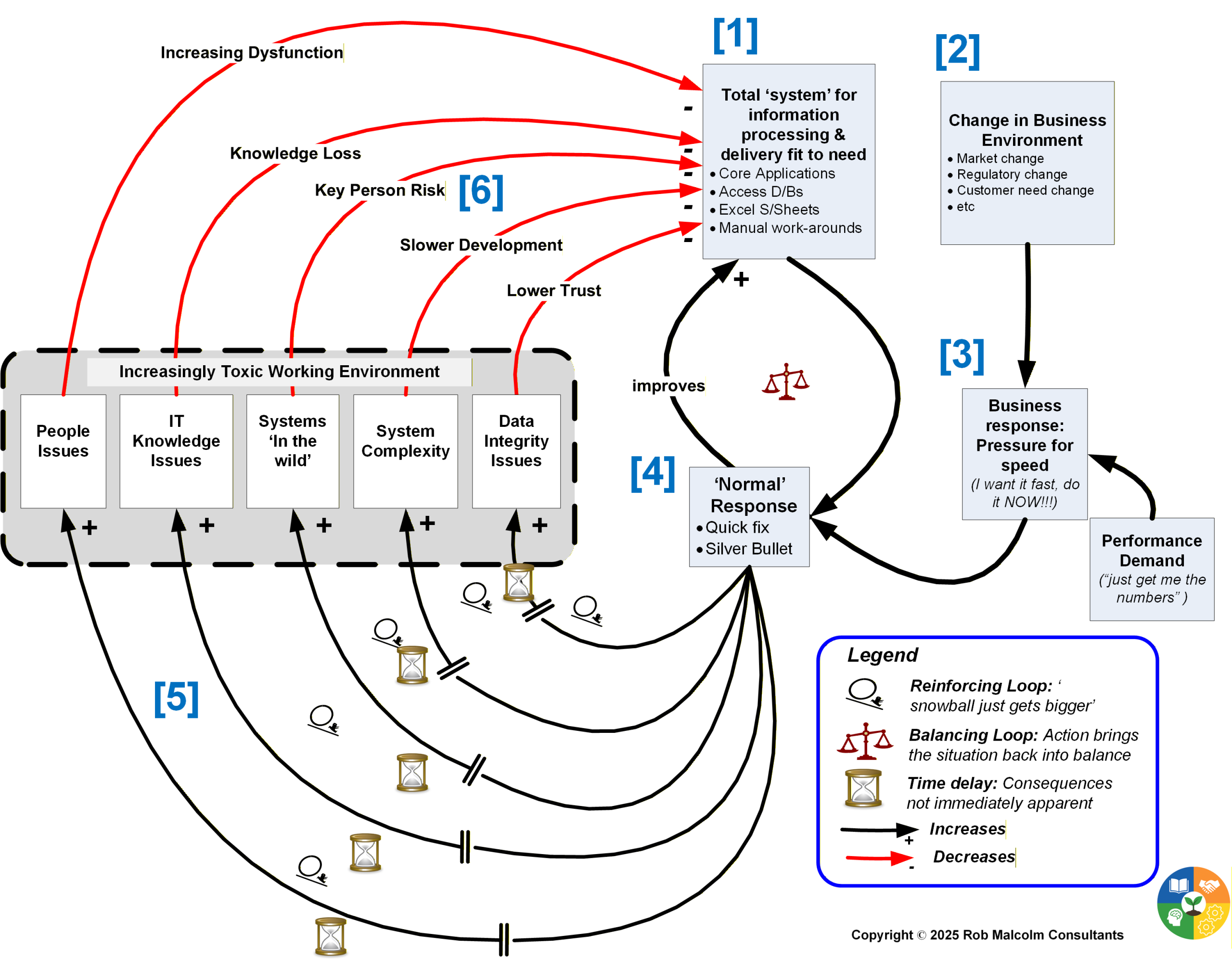
Figure 1: ‘Normal’ Response (old paradigm)
Early versions of this work used the term considered response to describe thoughtful action taken in response to changing circumstances.
Over time it became clear that this term did not fully capture the nature of intervention in complex systems so after the learning and research of the last 3 years, we have changed the paradigm ‘Adaptive Response’ to a ‘Consequential Intervention’ because it applies the Adaptive Elements in a mindset focused on proactively addressing the current challenge AND deliberatively seeking ways to address and reverse the issues from past Unintended Consequences reactively.
Figure 2 shows the corrected version.
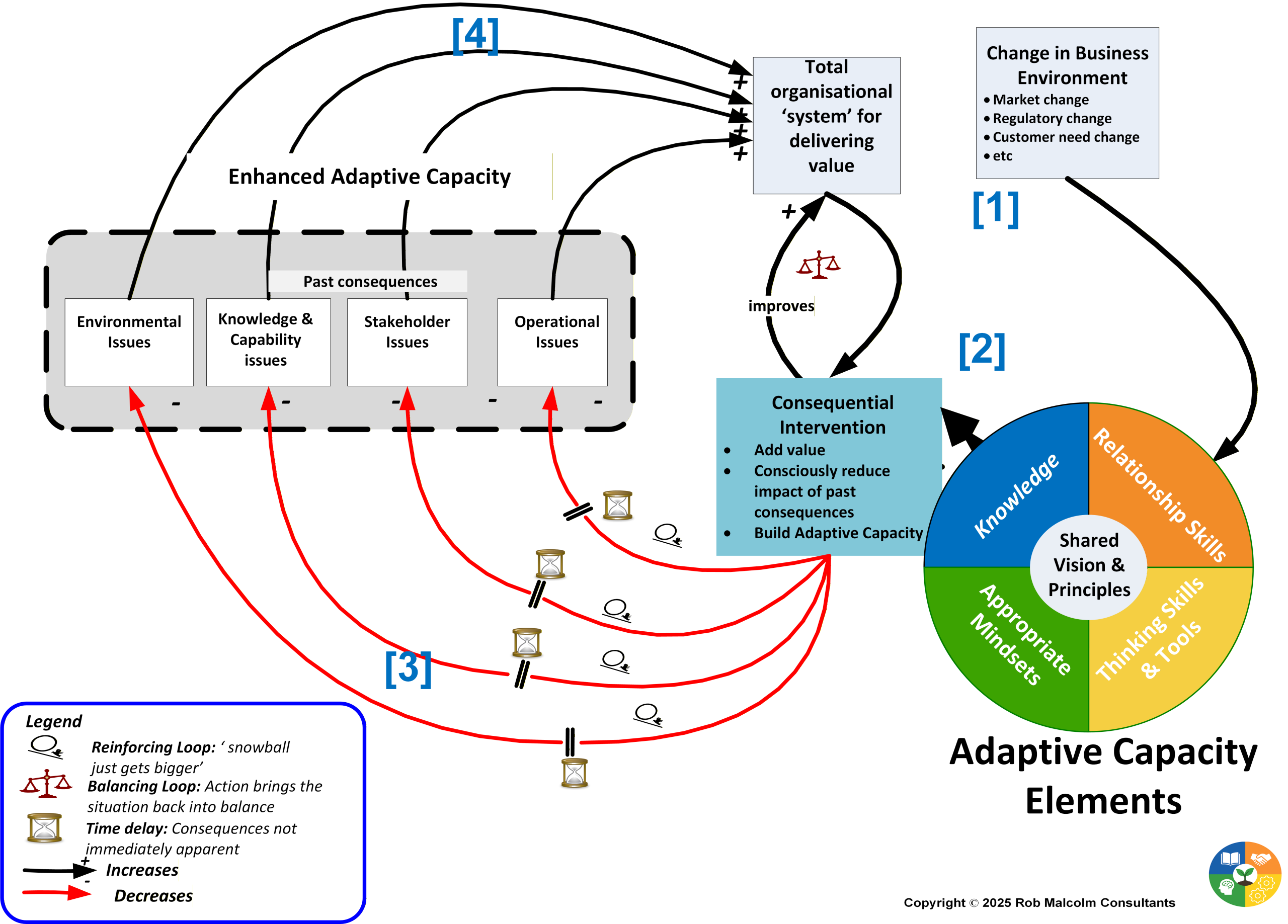
Figure 2: Consequential Intervention-New Paradigm
Every action alters relationships, knowledge, expectations, incentives, behaviours, and environmental conditions. The system that exists after an intervention is not the same system that existed before it. As a result, intervention inevitably creates intended and unintended consequences that must be understood and managed.
The challenge is therefore not simply choosing the correct action. It is recognising that action itself becomes part of the evolving system.
A considered response implies that an existing situation can be evaluated and an appropriate response selected.
A consequential intervention recognises that the response itself changes the situation. The intervention becomes part of the unfolding reality and creates new conditions that require further sensemaking, learning, and adaptation.
The shift is subtle but significant:
| Mechanical Paradigm | Ecological Paradigm |
| Considered Response | Consequential Intervention |
| Analyse → Plan → Execute | Sense → Interpret → Consequential Intervention → Adapt |
| Restore equilibrium | Learn through consequence |
| Control outcomes | Influence outcomes |
Consequence as a Teacher
Consequences provide feedback about how systems respond to intervention.
Some consequences are immediate and visible.
Others emerge slowly through delays, reinforcing loops, balancing loops, and interactions between multiple stakeholders and systems.
Learning occurs when consequences are observed, interpreted, and used to inform future action. Without consequence, there can be no meaningful learning.
Consequential Intervention and Adaptive Capacity
Consequential interventions seek to:
- Create value.
- Improve system viability.
- Reduce the impact of undesirable consequences.
- Strengthen Adaptive Capacity.
Unlike traditional interventions that focus solely on achieving predefined outcomes, consequential interventions recognise that adaptation is often more important than optimisation.
The objective is not merely to solve today’s problem but to increase the capability of individuals, teams, organisations, and communities to respond effectively to future challenges.
Relationship to Other Concepts
Consequential Intervention sits within a broader adaptive learning system:
- Ba and Basho provide the conditions for perception and shared understanding.
- SECI provides the mechanism through which knowledge is created and transformed.
- Praxis represents action informed by reflection and learning.
- Consequential Intervention is the act of purposeful intervention.
- Adaptive Capacity is the emergent capability that results.
Ethical Responsibility
Every intervention affects people, relationships, communities, and environments.
Consequential Intervention, therefore, carries an ethical obligation to consider not only intended outcomes but also potential side effects, trade-offs, and unintended consequences.
The question is not simply:
“Will this work?”
It is also: “What consequences might this create for whom, and over what time horizon?”
In Summary
A consequential intervention is not an attempt to control a system.
It is a purposeful act undertaken with the understanding that every intervention creates new consequences, new learning, and a new reality.
The task of leadership is therefore not to eliminate uncertainty, but to intervene wisely, learn continuously, and steward the consequences that follow.
- A consequential intervention requires consequence.
- Consequence requires participation.
- Participation requires being in the system. And that is Gemba.
🤿 For a deep dive
- Subject Area: Ethics and Consequential Intervention
- Subject Area — Gemba: Where Learning Becomes Real
- Subject Area — Organisational Awareness
- Subject Area – The Learning Environment
This article connects to the broader framework
- Ethical Domain — how constraints shape decisions
- Sensemaking Domain — how organisations interpret reality
- Relational Domain — how trust and coordination emerge
- Learning Domain — how knowledge is created and tested
- Action Domain — how intent becomes capability
To understand more on Purpose detailed Subject Areas, visit the Deep Dive section.
📖See the Books